
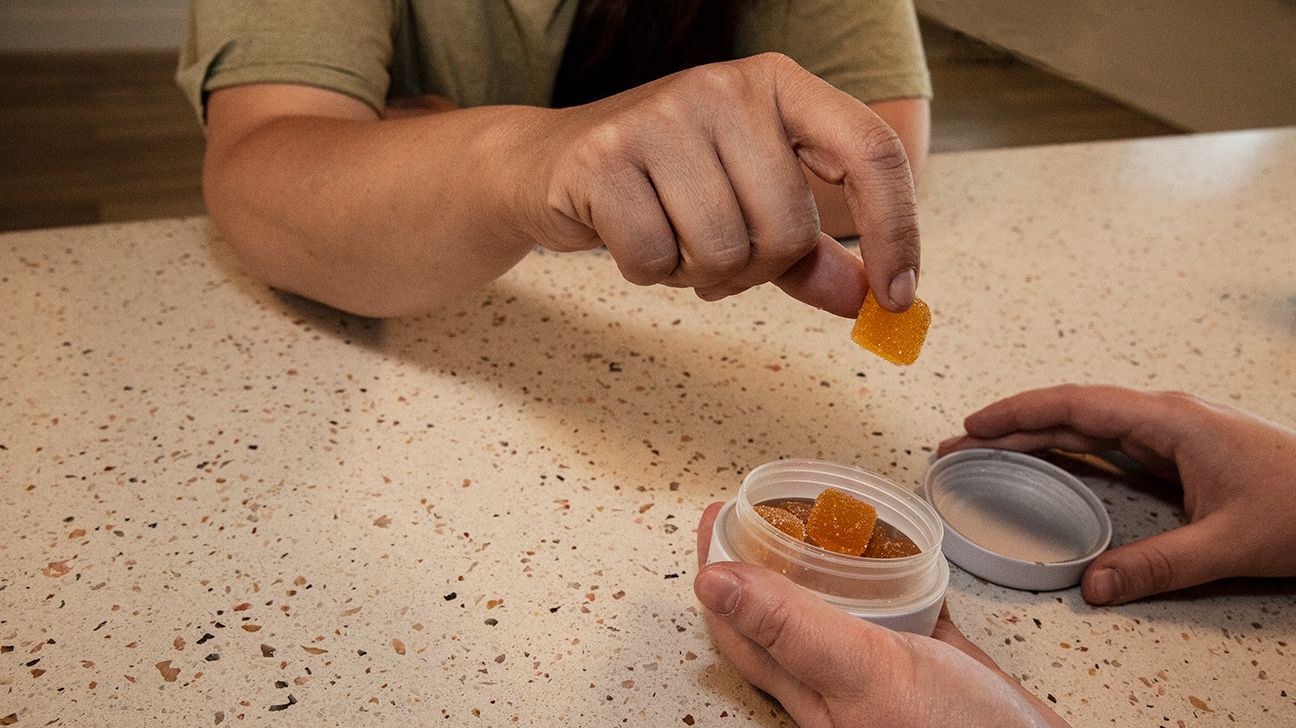
CBD gummies are popular because they are convenient, discreet, and easy to use. Each gummy usually contains a measured amount, which may seem simpler than using an oil dropper.
Convenience does not remove the need for caution. Gummies can contain additional ingredients, take time to produce effects, and cause unwanted next-day tiredness in some people.
Evidence about CBD and sleep remains incomplete. Anyone considering gummies should understand possible benefits, risks, timing differences, and product quality concerns.
Why People Choose CBD Gummies
Gummies do not require measuring liquid and often have a familiar taste.
They are easy to carry and may provide more consistent serving sizes when the product is accurately manufactured.
Some people prefer gummies because they dislike the taste or texture of CBD oil.
Others use them as part of a predictable bedtime routine.
The main disadvantage is that edible products pass through digestion. This means effects may take longer to appear and can vary depending on food, metabolism, and individual sensitivity.
Possible Sleep-Related Benefits
Some users report that CBD gummies help them feel calmer before bed.
Others believe they reduce discomfort that would otherwise interrupt sleep.
These personal experiences do not prove that gummies work for everyone.
Research into CBD and sleep has produced mixed results, and many commercial products combine CBD with melatonin or herbs.
When a gummy contains several active ingredients, it may be difficult to know which ingredient created the effect.
Balanced wellness and lifestyle discussions should separate personal reports from established medical evidence.
Gummies May Take Time to Work
Edible products must pass through the digestive system.
The time it takes to notice an effect can differ depending on whether the gummy is taken with food, the size of the meal, metabolism, and product formulation.
A common mistake is taking another gummy too soon because the first one appears to have done nothing.
Repeated use within a short period may lead to stronger effects later than expected.
Follow product instructions and professional advice rather than relying on guesswork.
Timing Should Be Tested Cautiously
There is no universal perfect time for a CBD gummy.
Some people may need to take an edible earlier in the evening, while others may experience effects at a different pace.
Use the first trial on a night when you do not need to wake unusually early or drive soon afterward.
Keep the rest of the evening routine stable.
Record the time, amount, bedtime, sleep quality, and morning alertness.
Readers interested in practical nighttime relaxation options should test one change at a time instead of combining gummies, teas, supplements, and sleep aids.
Read the Ingredient List
Many sleep gummies contain more than CBD.
Common additions include melatonin, herbs, vitamins, sugar, artificial sweeteners, flavorings, or other cannabinoids.
These ingredients may create benefits, side effects, or medication interactions.
Someone who feels groggy the next morning may be reacting to melatonin rather than CBD.
People with allergies, diabetes, digestive sensitivity, or dietary restrictions should review ingredients carefully.
Do not assume that every gummy in the package contains the same amount unless the product comes from a reliable manufacturer.
Product Testing Matters
Look for independent laboratory testing linked to the exact product batch.
The report should confirm CBD and THC amounts and may include screening for contaminants.
Compare the report with the product label.
Avoid gummies without clear serving information or those making dramatic promises.
Use consumer protection and safety guidance when evaluating sellers, payment security, product recalls, and misleading health claims.
A colorful package and positive reviews are not substitutes for reliable testing.
Full-Spectrum Gummies May Contain THC
Full-spectrum products may contain small amounts of THC within local legal limits.
This could matter for people sensitive to THC, subject to drug testing, operating vehicles, or traveling across legal jurisdictions.
Broad-spectrum products are often marketed as THC-free, but labeling and contamination risks still exist.
CBD isolate gummies aim to contain only CBD, although manufacturing quality remains important.
Anyone concerned about drug testing should understand that no product seller can guarantee a negative result.
Medication Interactions Are Possible
CBD may affect the way the body processes certain medications.
People taking prescriptions for seizures, mood, sleep, blood pressure, blood thinning, pain, or other conditions should speak with a doctor or pharmacist.
Gummies containing melatonin or herbs may create additional interaction concerns.
Pregnant or breastfeeding individuals should avoid experimenting with CBD unless specifically advised by an appropriate medical professional.
Older adults and people with liver problems may also require greater caution.
Possible Side Effects
CBD gummies may cause tiredness, dry mouth, digestive discomfort, appetite changes, dizziness, or reduced alertness.
Sugar alcohols and artificial sweeteners can also cause digestive symptoms.
Melatonin-containing gummies may lead to vivid dreams, headaches, or morning grogginess in some people.
Stop using the product and seek professional advice if symptoms become severe, persistent, or unusual.
Avoid driving or using machinery until you know how the gummy affects you.
Keep Gummies Securely Stored
CBD gummies can look like ordinary candy.
Store them in their original child-resistant packaging and keep them out of reach of children and pets.
Do not place them in snack containers or unmarked bags.
Make sure other adults in the home understand what the product contains.
Follow storage directions regarding temperature and light.
Seek professional or emergency advice if a child or pet consumes the product accidentally.
Do Not Combine Them Carelessly
Avoid mixing CBD gummies with alcohol, prescription sleep medicine, sedating antihistamines, opioids, or other products that reduce alertness without professional guidance.
Using several nighttime products can increase impairment and make side effects difficult to identify.
Even herbal teas and supplements may contain active ingredients.
Check labels and discuss combinations with a pharmacist or healthcare professional.
More ingredients do not automatically create better sleep.
Address the Actual Sleep Problem
Gummies may not help when sleep disruption is caused by breathing pauses, loud snoring, pain, reflux, restless legs, depression, or an irregular schedule.
Identify whether the main issue is falling asleep, staying asleep, waking too early, or feeling tired during the day.
Information about physical wellbeing and body systems can help readers consider how discomfort and health conditions affect nighttime rest.
Persistent symptoms should be assessed rather than repeatedly covered with new products.
Keep Healthy Sleep Habits
Maintain a regular wake-up time and seek morning light.
Reduce screen exposure and demanding work before bed.
Limit late caffeine, heavy meals, and alcohol.
Keep the bedroom cool, dark, and quiet.
A gummy should never become the only signal that it is time to sleep.
The body benefits from consistent environmental and behavioral cues.
CBD gummies may support relaxation for some adults, but their effects are not guaranteed. Timing, ingredients, product quality, medication interactions, and next-day alertness all deserve attention. Use them only after careful review and appropriate professional guidance, and keep healthy sleep habits at the center of the routine.