
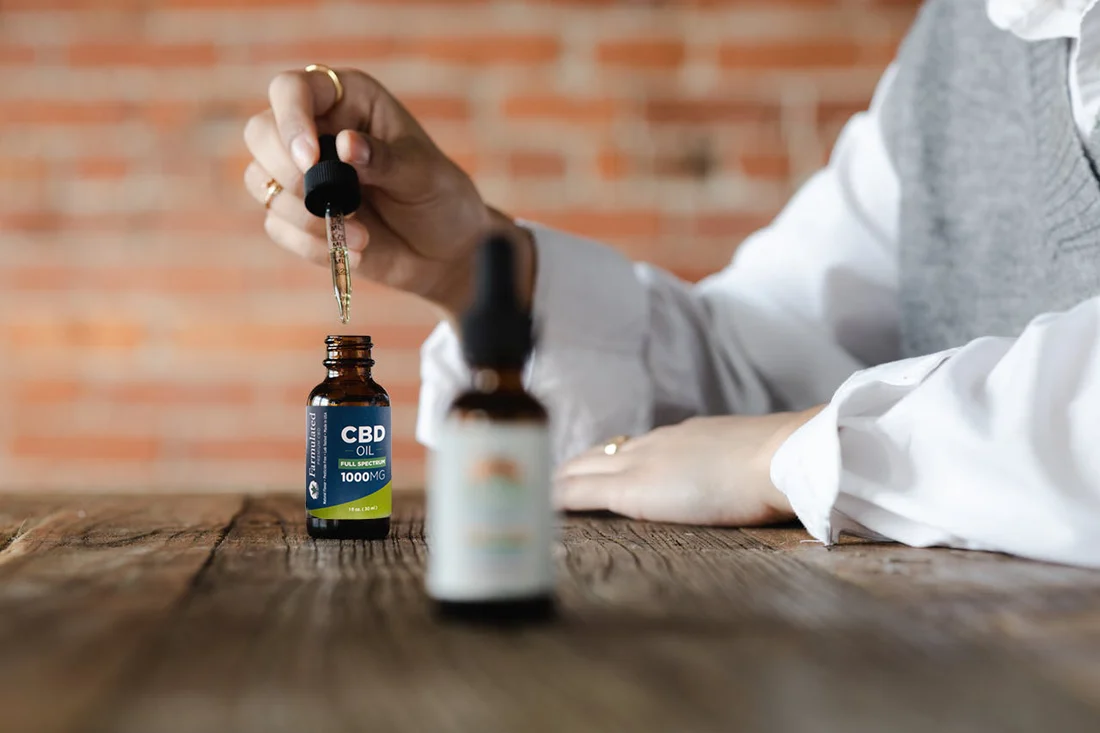
CBD oil labels often create the impression that finding the right amount is simple. A bottle may recommend a serving, an online article may suggest a number, and a friend may describe what worked for them. None of those sources can establish the correct amount for every person.
Understanding CBD oil dosage begins with an important fact: there is no universal consumer dose proven safe and effective for every goal. Products vary in concentration, and personal factors such as medications, health conditions, body response, food intake, and product composition can affect the experience.
New users should treat basic CBD education as general information rather than personal medical instruction. A doctor or pharmacist is the appropriate source for advice connected to symptoms, medicines, or ongoing conditions.
Understand What the Label Measures
CBD oil packaging may list milligrams for the entire bottle, one milliliter, one dropper, or one serving. Confusing these numbers can lead to taking much more than intended.
Read the concentration, bottle volume, serving size, and number of servings before using the product.
Total Milligrams Are Not the Serving Amount
A label showing 1,500 milligrams usually describes the total cannabidiol in the container unless it specifically says otherwise.
If a thirty-milliliter bottle contains 1,500 milligrams total, each milliliter would contain approximately fifty milligrams. This example explains label mathematics and is not a recommendation to consume that amount.
Droppers Are Not Always Identical
Some droppers include measurement marks, while others do not. The amount held by a “full dropper” may differ between brands and bottle designs.
Counted drops are also imprecise because drop size can change with the liquid, dropper angle, and pressure. Use the measurement method supplied by the manufacturer and verify the label carefully.
There Is No Single Dose for Every Purpose
Retail CBD oils are used for many different reasons, yet evidence and studied amounts differ between conditions.
An amount discussed in research for one medical situation cannot be safely copied for sleep, stress, soreness, or general wellness.
Prescription Dosing Does Not Apply to Store Oils
An approved prescription cannabidiol medicine has condition-specific instructions, standardized manufacturing, and medical monitoring.
Retail oils may contain different ingredients and concentrations. Their labels should not be treated as substitutes for a prescription plan. ndations Lack Personal Context
A blogger or customer does not know your medications, liver health, pregnancy status, sensitivity, or other relevant factors.
Useful author-written CBD guidance should make this limitation clear instead of presenting a dosage chart as medical fact.
Speak With a Professional Before Starting
Professional guidance is especially important for anyone taking prescription medication, using sedatives, managing liver disease, preparing for surgery, or treating persistent symptoms.
Cannabidiol may affect how certain medicines work and has been associated with possible liver injury. st About Interactions
Provide the exact brand, ingredient list, concentration, intended serving, and how often you expect to use it.
Include over-the-counter medicines, herbal supplements, sleep products, and alcohol use. A complete list gives the pharmacist a better chance of identifying concerns.
Do Not Use CBD to Delay Diagnosis
Recurring pain, severe anxiety, persistent sleep disruption, or unexplained physical changes may have causes requiring examination.
A product that temporarily changes how you feel could make it easier to postpone care without addressing the underlying issue.
New Users Should Avoid Rapid Increases
Taking more because the first serving did not produce an immediate noticeable effect can create problems. Swallowed products may take time, and effects can last longer than expected.
Rapid increases also make it difficult to identify the lowest amount associated with either benefit or side effects.
Change Only One Variable at a Time
Do not begin several supplements, change medications, and adjust CBD use in the same week. If something changes, you may not know which factor caused it.
Keep the product, timing, and routine stable while observing the response under professional guidance.
Allow Enough Time Before Repeating
Follow the product instructions and professional advice rather than taking repeated servings quickly.
The onset and duration may differ according to formulation, food, body characteristics, and other substances. Do not drive or perform risky tasks until you understand how the product affects you.
Record Effects and Side Effects
A simple record can help you describe the experience accurately to a healthcare professional.
Write down the product name, batch, concentration, measured amount, timing, reason for use, food intake, noticeable effects, and unwanted symptoms.
Watch for Drowsiness and Digestive Effects
CBD may cause sleepiness, diarrhea, appetite changes, or mood changes. Alcohol and other substances that slow brain activity may increase sedation. duct and seek advice when side effects are concerning, persistent, or severe.
Do Not Judge Success From One Evening
Sleep, discomfort, and stress naturally vary. One better or worse day cannot show that the oil was responsible.
Balanced opinions about CBD use should encourage observation over time without ignoring symptoms that require prompt attention.
Know When CBD Oil Should Be Avoided
FDA advises against using cannabidiol during pregnancy or breastfeeding. Nonprescription products should also be kept away from children. icant liver concerns, previous reactions to cannabis products, or complicated treatment plans need professional advice.
Do Not Share Your Product
Another person may take different medicines or have health risks you do not know about. Your experience cannot establish what is safe for them.
Sharing also makes it harder to track how much remains in the bottle and whether the dropper has been contaminated.
Stop Before Safety-Critical Activities
Do not drive, operate machinery, climb, or perform hazardous work when a product causes drowsiness, dizziness, slowed thinking, or other changes.
Even a non-intoxicating product can affect alertness or contain unexpected THC.
Choose a Product With Clear Concentration Information
Dosage decisions become even less reliable when the label is unclear or inaccurate.
Look for batch-specific laboratory testing, understandable milligram information, a complete ingredient list, and contact details for the manufacturer.
Avoid Products With Cure Claims
A dosage recommendation attached to promises of curing cancer, eliminating chronic disease, or replacing medication is a major warning sign.
Reliable reader-centered CBD resources should encourage medical care rather than presenting retail oil as a universal treatment.
Recalculate When Changing Brands
Two bottles of the same size may have completely different concentrations. The same volume from each bottle could provide a very different amount of cannabidiol.
Read and calculate from the new label whenever changing brands, strengths, or formulations.
Conclusion
Finding an appropriate amount of CBD oil is more complicated than copying a number from a friend or website. Concentrations vary, research differs by condition, and personal health factors can change the risks.
Safe thinking about CBD oil dosage starts with reading the label correctly, reviewing medications, avoiding rapid increases, and observing side effects. It also requires recognizing that retail serving instructions are not personalized medical advice.
Discuss your plan with a qualified healthcare professional, especially when you use other medicines or have ongoing symptoms. Measure carefully, avoid mixing substances, and never assume more will work better. Caution is not overreaction when a product can affect alertness, liver health, and medication levels.
Frequently Asked Questions
Is there a standard beginner dose of CBD oil?
No universal amount has been established for every person and purpose. Product concentration, health history, medications, and intended use all matter.
What does the milligram number on a bottle mean?
It may describe the cannabidiol in the whole bottle or in one serving. Read the serving information before calculating an amount.
Is one full dropper always one serving?
No. Dropper sizes and label instructions vary. Use the product’s measurement markings and confirm how many milliliters the serving contains.
Can I take more if I feel nothing immediately?
Taking repeated servings too quickly may increase side effects. Follow professional advice and allow enough time for the product type to take effect.
Should CBD oil be taken with food?
Food may affect how swallowed cannabidiol is absorbed. Ask a healthcare professional how meal timing relates to your specific product and situation.
Can I combine CBD oil with sleep medication?
The combination may increase drowsiness or create other interactions. Ask a doctor or pharmacist before combining them.
How do I compare two different CBD oils?
Compare milligrams per milliliter or per measured serving, not only total milligrams or bottle size.
What should I do if CBD causes side effects?
Stop taking more, avoid driving or hazardous work, and seek professional advice. Urgent or severe symptoms require prompt medical attention.