
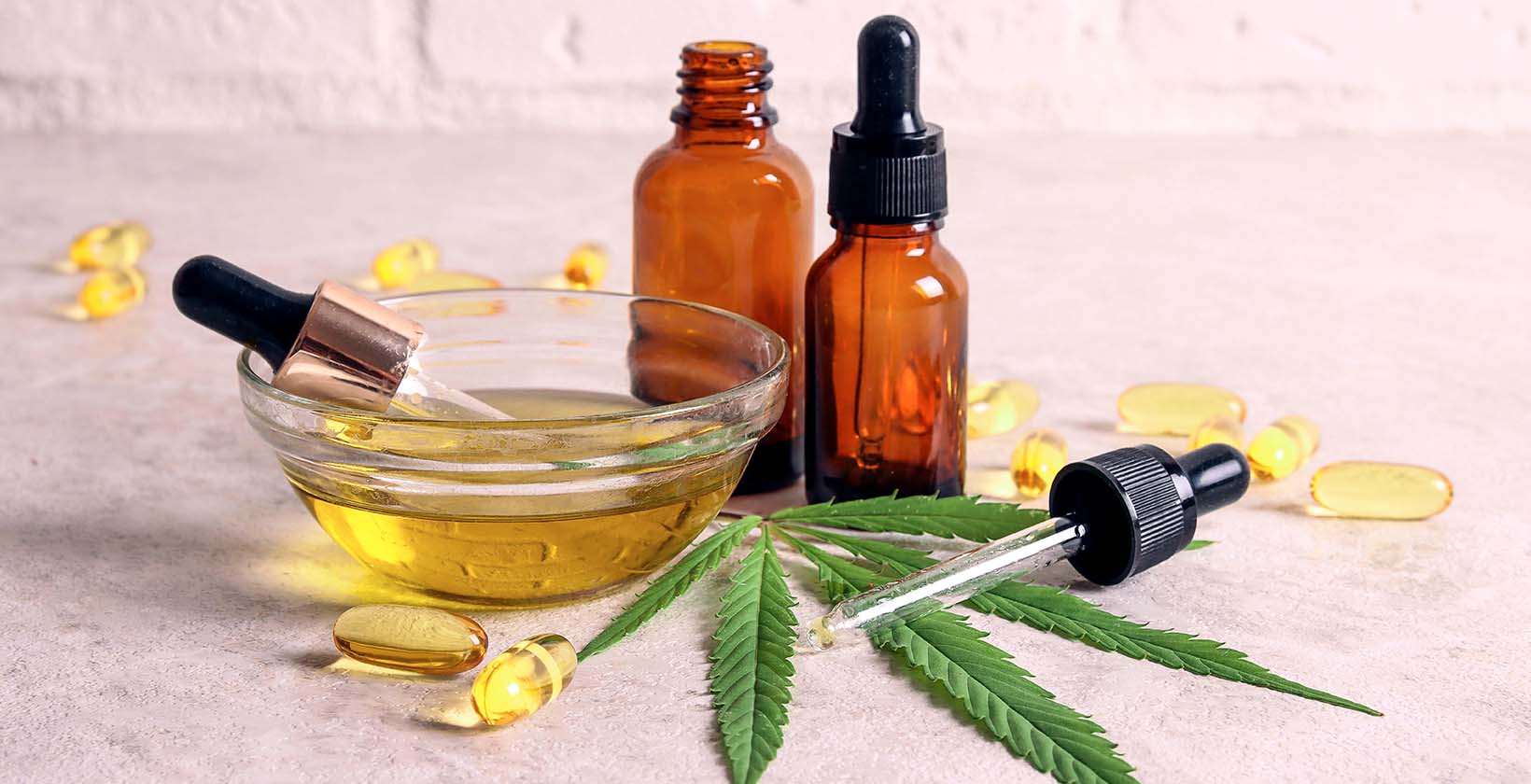
Acne is one of the most common reasons people experiment with new skincare ingredients. CBD oil has gained attention because early research has explored its possible relationship with oil production and inflammation.
Interest does not equal proof. Acne has several forms and causes, and a product that helps one person may clog pores or irritate another. The available evidence remains limited compared with established acne treatments.
Understand What People Mean by CBD Oil
The term CBD oil can describe different products. Some are oral oils designed to be swallowed, while others are facial oils or serums intended for topical use.
Do not apply an oral product to your face unless the manufacturer clearly states that it is suitable for skin. Oral formulas may contain flavorings, carrier oils, or ingredients not designed for acne-prone areas.
Topical CBD oil may be blended with hemp seed oil, coconut oil, olive oil, jojoba oil, or another base. The carrier may affect breakouts as much as the CBD.
Reviewing clear skincare and wellness guidance can help you distinguish the featured ingredient from the finished product.
Why Researchers Are Interested
Acne involves more than surface dirt. Oil production, blocked pores, inflammation, bacteria, hormones, and genetics can all play a role.
Researchers are studying whether CBD may influence certain processes connected with oil and inflammation in the skin. Early findings are interesting, but they do not prove that an over-the-counter CBD oil will clear acne.
Laboratory studies use controlled concentrations and conditions. Commercial products may contain different amounts, supporting ingredients, and levels of purity.
Larger, well-designed human studies are needed before strong conclusions can be made.
Carrier Oils May Help or Harm
A facial oil may soften dry areas, but some oils feel heavy on acne-prone skin. Coconut oil, for example, may clog pores for certain people when used on the face.
Jojoba or squalane may feel lighter, yet individual reactions still vary. A non-comedogenic claim can be useful, but it does not guarantee that every user will remain breakout-free.
Fragrance and essential oils may create additional irritation. Tea tree, citrus, lavender, and peppermint oils are often marketed as natural acne solutions, but they may worsen redness or sensitivity.
Use careful product-testing steps before spreading a new CBD oil over the entire face.
CBD Oil Is Not a Replacement for Proven Treatments
Acne treatments such as benzoyl peroxide, salicylic acid, adapalene, certain antibiotics, hormonal therapies, and prescription medicines have different roles depending on acne type and severity.
A CBD cosmetic should not replace a treatment recommended by a dermatologist. Stopping effective therapy may allow acne to worsen and increase the risk of scarring.
Mild acne can sometimes be managed with a gentle routine and an appropriate over-the-counter treatment. Painful cysts, deep nodules, widespread inflammation, or scarring deserve professional care.
A source of responsible skin-treatment information can help you avoid cure claims that are not supported by strong evidence.
Patch Test Before Facial Use
Apply a small amount to the inner arm or behind the ear. Monitor for redness, itching, swelling, burning, or bumps.
After a successful patch test, use the oil on a small acne-prone facial area for several days. Do not apply it across your whole face on the first night.
Keep other products unchanged. Starting CBD oil, a new cleanser, an acid toner, and a retinoid at the same time makes it impossible to identify what helped or caused irritation.
Stop use when breakouts increase, skin becomes greasy and congested, or you develop a rash.
Avoid Applying Oil to Every Type of Breakout
A small clogged pore, an inflamed pimple, cystic acne, fungal folliculitis, rosacea bumps, and an allergic rash can look similar to an untrained eye.
Applying oil to the wrong condition may worsen the problem. Thick products can trap heat and moisture, while fragranced oils may aggravate rosacea or dermatitis.
Do not apply CBD oil over open wounds, picked pimples, or actively infected areas. Broken skin is more likely to sting.
When a breakout is sudden, widespread, itchy, painful, or linked with medication, seek medical advice.
Keep the Rest of the Routine Simple
Use a gentle cleanser and non-comedogenic moisturizer. Apply sunscreen during the day because acne marks often become more noticeable after sun exposure.
Avoid scrubbing. Acne is not caused by a lack of forceful cleaning, and rough exfoliation can increase inflammation.
Do not squeeze or pick lesions. Picking may push inflammation deeper and increase the chance of scars or dark marks.
Building calmer skincare habits can help reduce the urge to check, squeeze, or change treatments several times a day.
Consider the Cost and Label Quality
CBD skincare products are often more expensive than basic acne treatments. A high price does not guarantee accurate concentration, clean formulation, or better results.
Check the CBD amount, product size, ingredient list, batch details, storage instructions, and independent testing information when available.
Avoid labels that promise overnight acne removal, permanent pore shrinkage, toxin release, or guaranteed hormonal balance.
A trustworthy product should explain what it contains and how it should be used without presenting itself as a universal cure.
Give Changes Time
Acne naturally improves and worsens from week to week. Hormonal cycles, stress, sleep, weather, and other products can affect the result.
Take clear photographs before starting and compare progress under similar lighting every few weeks. Daily mirror checking may make small changes feel larger than they are.
If acne worsens steadily or scars begin to form, stop experimenting and seek professional treatment.
Conclusion
Early research explains why CBD has become an ingredient of interest for acne, but current evidence does not support treating CBD oil as a guaranteed solution.
When considering CBD oil for acne, examine the carrier oil, fragrance, concentration, and complete formula. Patch test first and avoid replacing established treatment without professional advice.
Acne is manageable, but the right approach depends on its type and severity. A simple routine and proven care often offer more value than an expensive product built around uncertain claims.