
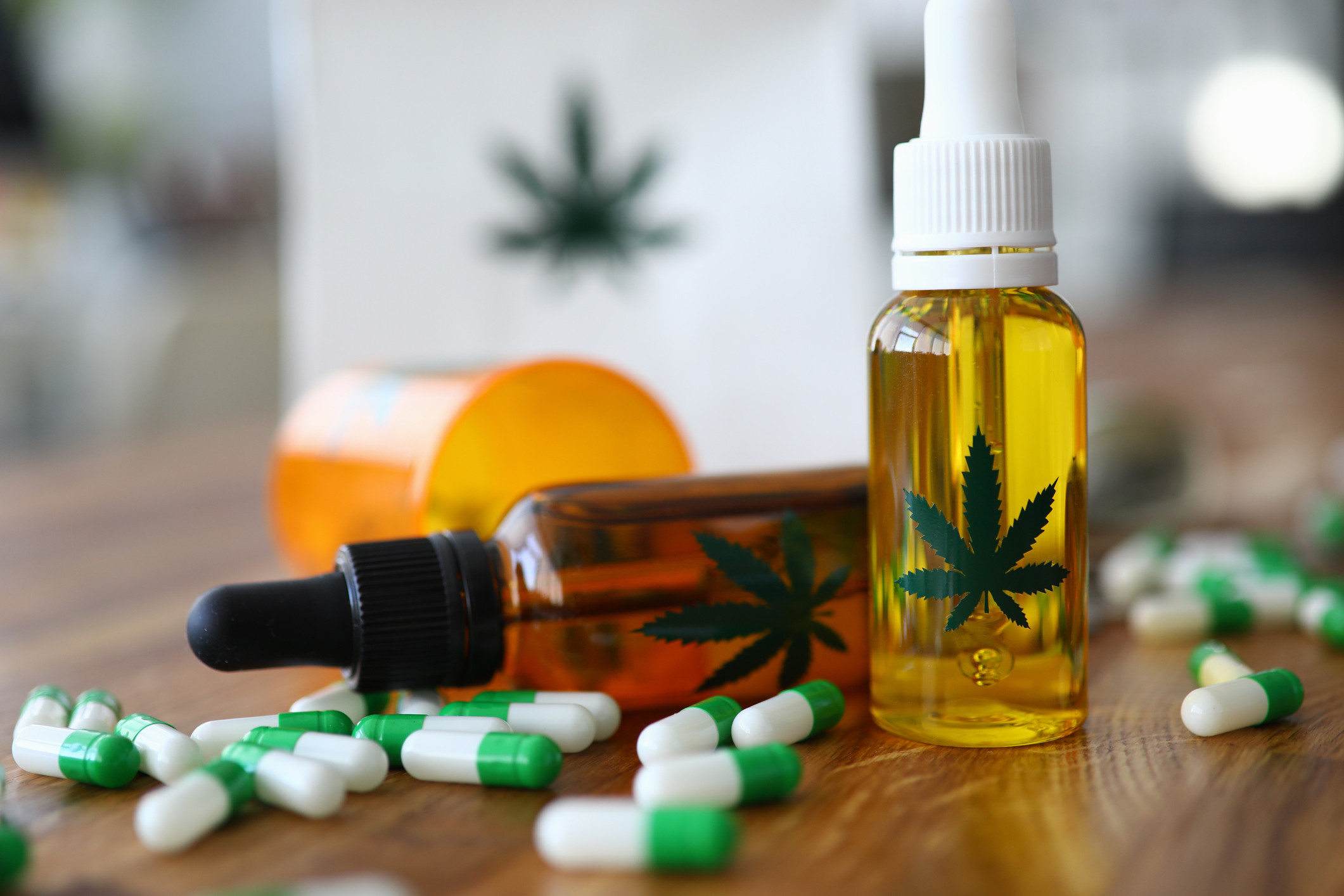
Combining CBD with an antidepressant may sound harmless because one product is available without a prescription. That assumption can be risky. CBD can affect enzymes involved in processing medicines, potentially changing the amount of a drug that remains in the body.
The importance of an interaction depends on the antidepressant, CBD product, amount, frequency, liver health, and other substances being used. There is no single rule that makes every combination safe or unsafe.
Understand How Interactions May Happen
The liver helps process many antidepressants and other medicines. CBD may slow or alter some of those pathways.
Medicine Levels May Change
When a drug is broken down more slowly, its level may rise and side effects may become more noticeable. In other cases, an interaction may reduce effectiveness or create a less predictable response.
Researchers have identified potential concerns involving several antidepressant pathways. The clinical importance can differ between medicines and individuals.
General medication safety information cannot replace a review by a doctor or pharmacist who knows the exact prescription and health history.
Sedating Effects May Add Together
Some antidepressants cause drowsiness, dizziness, or slowed reaction time. CBD may produce similar effects in certain users.
The combination can become more impairing when alcohol, sleep medication, antihistamines, anti-anxiety drugs, opioids, or recreational cannabis are also involved.
Do not drive or perform hazardous work when beginning a new combination or when unexplained sleepiness develops.
Watch for Changes After Starting CBD
An interaction may not always produce an obvious emergency. It may first appear as a gradual increase in familiar side effects.
Notice Physical Symptoms
Possible warning signs include unusual sleepiness, dizziness, nausea, diarrhea, appetite changes, headaches, tremor, poor coordination, or worsening fatigue.
Contact a healthcare professional when symptoms begin after adding CBD or increasing the amount. Bring the product packaging and the timing record.
People using emotional health support should not assume that every new symptom comes from anxiety or depression. Medication effects also deserve review.
Monitor Mental and Emotional Changes
Watch for increasing agitation, confusion, emotional flattening, worsening depression, unusual restlessness, or changes in sleep.
Seek urgent help when symptoms include suicidal thoughts, hallucinations, severe confusion, dangerous behavior, or an inability to remain safe.
Do not wait for a routine appointment when the change appears serious or rapidly worsening.
Avoid Unsafe Medication Decisions
One of the greatest risks is not only the interaction itself. It is the possibility that a person changes an antidepressant without professional guidance.
Do Not Stop Antidepressants Suddenly
Sudden discontinuation can cause dizziness, flu-like feelings, sleep problems, irritability, anxiety, sensory disturbances, or a return of the original condition.
The specific risk depends on the medicine and duration of use. A gradual plan may be necessary, but only the prescriber should direct it.
CBD should never be treated as a reason to skip doses or replace an established prescription.
Do Not Hide CBD Use From Your Clinician
Some people avoid mentioning CBD because they expect judgment or believe it is unrelated to their medicine. This leaves the clinician without the information needed for safe decisions.
State the brand, product type, CBD amount per serving, THC content, frequency, and reason for use. Include alcohol, cannabis, supplements, and nonprescription sleep products.
Safe treatment recovery routines depend on an accurate list of everything entering the body.
Prepare for a Product Review
Doctors and pharmacists cannot fully assess a vague description such as “a few drops.” Product concentration and serving size matter.
Bring the Label and Testing Report
Take a photograph of the full label or bring the container. Include the ingredient panel and batch-specific certificate of analysis when available.
The report should show measured CBD and THC levels and testing for relevant contaminants. It should clearly match the batch number printed on the product.
A testing certificate does not guarantee that the product is appropriate for your medication, but it gives the clinician better information.
Ask Specific Questions
Ask whether the combination may increase sedation, alter drug levels, affect the liver, or require additional monitoring.
Also ask what symptoms should lead you to stop CBD, contact the clinic, or seek urgent care.
Strong personal health safeguards begin with direct questions rather than assuming that over-the-counter availability means medical compatibility.
Conclusion
CBD can interact with antidepressant treatment through altered drug processing, overlapping side effects, or added sedation. The risk cannot be judged from the antidepressant name or CBD label alone.
Before combining them, ask a doctor or pharmacist to review the exact products, amounts, and other substances involved. Do not suddenly stop or reduce an antidepressant. Avoid alcohol and additional sedatives unless a clinician confirms they are appropriate.
Track changes in alertness, digestion, coordination, sleep, and mood after introducing any new product. Promptly report concerning symptoms. Mental health treatment is safer when every medication and supplement is part of one coordinated plan.
Frequently Asked Questions
Can CBD increase antidepressant side effects?
It may. CBD can affect medication processing and may add to drowsiness, dizziness, digestive symptoms, or other side effects.
Which antidepressants interact with CBD?
Potential interactions vary across drug classes and individual medicines. A pharmacist or prescriber should review the exact antidepressant rather than relying on a general list.
Can CBD and antidepressants cause excessive sleepiness?
Yes. Both may contribute to drowsiness, especially when alcohol, sleep aids, antihistamines, or anxiety medication are also used.
Should I stop CBD when side effects appear?
Contact a healthcare professional promptly for guidance. Seek urgent care when symptoms are severe, involve breathing difficulty, fainting, confusion, or dangerous mood changes.
Can I replace an antidepressant with CBD?
No. Retail CBD is not an established replacement for antidepressant treatment. Medication changes require supervision from the prescribing professional.
What information should I give my pharmacist?
Provide the antidepressant name and dose, CBD label, CBD and THC amounts, frequency, supplements, alcohol use, and other medications.
Does topical CBD interact with antidepressants?
Absorption may differ from oral products, but ingredients and formulations vary. Discuss regular topical use with a pharmacist, especially over large or damaged skin areas.
Which mood symptoms require urgent help?
Suicidal thoughts, hallucinations, severe confusion, extreme agitation, dangerous behavior, or inability to stay safe require immediate professional help.