
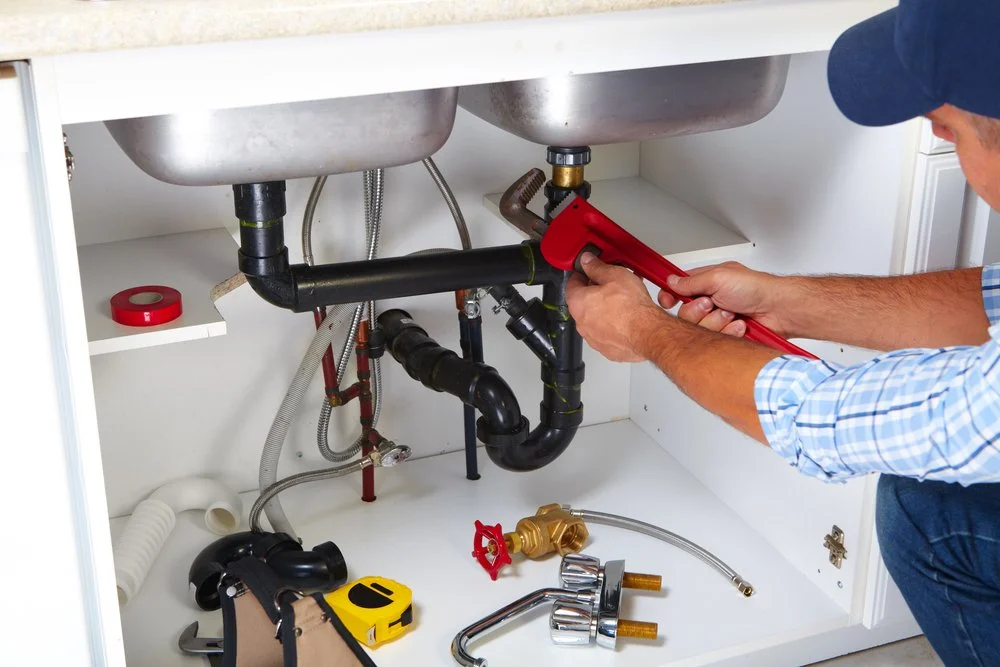
After more than 15 years working with real estate developers and homeowners, I’ve learned something important—plumbing systems don’t fail overnight; they fail by neglect. Back in 2016, everyone focused on aesthetics but ignored what kept their homes running. The reality is, maintaining plumbing health is like preventive medicine—it keeps your home’s foundation strong, efficient, and cost-effective in the long run. Here’s what truly works.
Inspect for Leaks and Corrosion Regularly
The 80/20 rule applies here—80% of plumbing breakdowns trace back to 20% of neglect. I once worked on an apartment complex where a single untracked pipe leak caused wall damage across five units. That experience cemented a rule I still stand by: small leaks grow into large liabilities.
Check visible pipes, faucets, and connectors monthly for corrosion or moisture. If you notice rust or water stains, act immediately. Professionals at Klempne Services emphasize that proactive leak detection prevents 90% of costly water-related damage.
Keep Drains Clear and Flowing
Clog prevention might seem basic, but it is the most overlooked plumbing practice. I once supervised a café renovation where grease and coffee grinds had blocked all kitchen drains—repairs cost more than the décor budget. Since then, I’ve advised every client to treat drains like arteries: keep them clear so flow never stops.
Use enzyme-based cleaners monthly, and install strainers in sinks and showers. Articles from Insider Times break down effective ways to maintain drain hygiene without resorting to harsh chemicals that eventually damage pipes.
Regulate Water Pressure Intelligently
High water pressure feels luxurious but shortens your plumbing’s lifespan. In one multi-story building I consulted for, overpressure led to repeated pipe bursts and leaky valves. A simple pressure regulator reduced issues by 70% within months.
Your home’s water pressure should stay between 40 and 60 PSI. You can install smart pressure-monitoring systems that send alerts when limits are exceeded. International experts at bestereisezeitturkei.de highlight how consistent pressure regulation safeguards both domestic plumbing and heating systems efficiently.
Insulate Pipes to Prevent Seasonal Damage
Back in 2018, a client ignored winterproofing advice and woke up to frozen pipes that exploded overnight. We learned firsthand how insulation isn’t optional—it’s insurance. Proper wrapping shields internal systems from temperature stress.
Insulate exposed pipes in basements, garages, and crawl spaces using foam sleeves or fiberglass wraps. The team behind Outdoor Patio Furniture often discusses how maintaining both indoor and outdoor plumbing zones prevents sudden failures, especially in seasonal homes.
Schedule Professional Maintenance at Least Annually
From a practical standpoint, DIY checks can only go so far. I once managed a property that seemed flawless—until a pro inspection uncovered slow leaks inside wall joints. That experience shifted my mindset: homeowners need annual professional maintenance, just like vehicles do.
Plumbing audits include water heater inspections, valve testing, and system pressure balancing. Industry guides on The Spruce recommend annual evaluations as an easy way to extend your infrastructure’s life and prevent emergencies.
Conclusion
Look, the bottom line is that plumbing health isn’t managed with quick fixes; it’s achieved through consistent habits. The smartest homeowners I’ve worked with treat their plumbing systems like long-term investments—they inspect, clean, insulate, and assess regularly. Preventive maintenance keeps water flowing, costs low, and peace of mind high.
FAQs
How often should I check for plumbing leaks at home?
Inspect under sinks, around toilets, and near water heaters monthly to catch small leaks before they worsen.
Can high water pressure damage home plumbing?
Yes, excess pressure strains joints and seals, causing leaks and pipe bursts over time.
What’s the best way to unclog drains safely?
Use enzyme or biological drain cleaners instead of corrosive chemicals; they dissolve buildup without harming pipes.
Should I insulate all pipes or just exposed ones?
Focus on exposed and exterior pipes since those are most prone to freezing or thermal stress.
When is professional plumbing maintenance necessary?
At least once a year—comprehensive inspections identify hidden structural or pressure issues early.